

1212 Haywood Road, Suite 600
Greenville, SC 29615

Diabetic Eye Exams in Greenville: What Happens, Why You Need Them Yearly, and What Doctors Look For
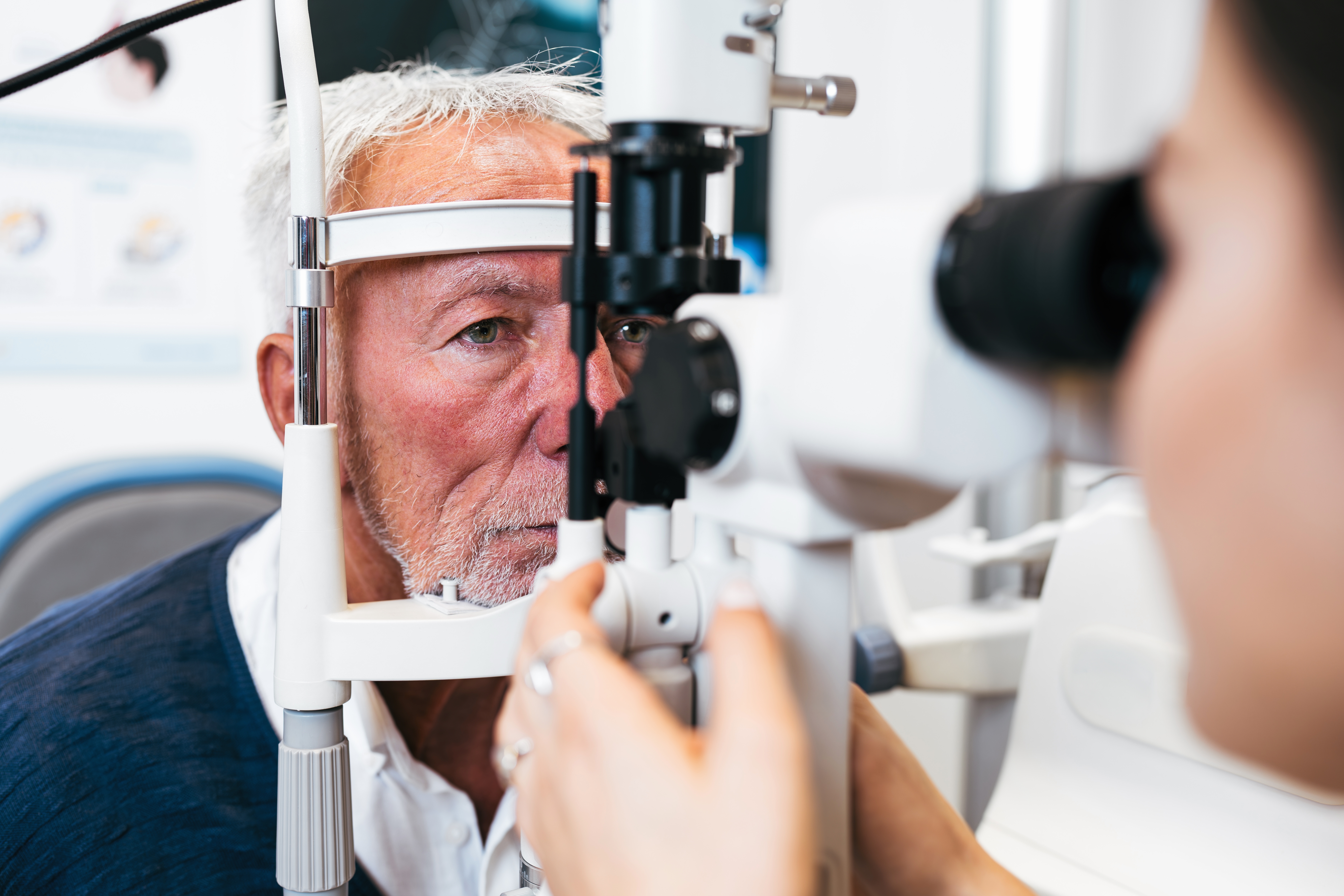
Diabetes can affect many parts of the body, including the eyes. Even when your vision feels clear, changes can develop in the retina before you notice symptoms. For patients in Greenville, yearly diabetic eye exams are an important part of protecting long-term vision and catching concerns early. At Greenville EyeCare Associates, diabetic eye care helps monitor eye health with a detailed exam and advanced diagnostic technology.
Why Diabetic Eye Exams Matter
Diabetes can damage the small blood vessels in the retina, which is the light-sensitive tissue at the back of the eye. This condition is called diabetic retinopathy. In the early stages, it may not cause pain, blurry vision, or obvious warning signs. That is why waiting for symptoms is not a safe approach.
A diabetic eye exam allows your eye doctor to look for early changes before they become more serious. It can also help detect related concerns, including diabetic macular edema, cataracts, and glaucoma. For Greenville patients with diabetes, consistent eye care is one of the most important steps in preserving healthy vision.
How Often Should You Schedule Diabetic Eye Care?
Most people with diabetes should schedule a comprehensive diabetic eye exam at least once a year. Some patients may need visits more often depending on their eye health, blood sugar control, blood pressure, pregnancy, medications, or previous retinal changes.
If your eye doctor sees signs of diabetic eye disease, they may recommend closer monitoring or referral for additional care. If your eyes are stable, yearly exams may be enough. The right schedule should always be based on your personal health history and exam findings.
What Happens During A Diabetic Eye Exam?
A diabetic eye exam is more detailed than a basic vision screening. Your eye doctor will evaluate your vision, review your medical history, and examine the internal structures of the eyes. This helps determine whether diabetes is affecting the retina or other parts of the eye.
During your visit, the doctor may check:
- Your current vision and prescription
- Eye pressure to help screen for glaucoma risk
- The retina and optic nerve
- Blood vessels in the back of the eye
- Signs of swelling, bleeding, or fluid leakage
- Changes related to cataracts or other eye conditions
Advanced imaging may also be used to document the retina and compare changes over time.
What Doctors Look For In The Retina
During diabetic eye care, the retina is one of the main areas your doctor examines. Diabetes can cause blood vessels to weaken, leak, swell, or close off. These changes may affect vision if they involve the macula, which is responsible for central vision.
Your eye doctor may look for small areas of bleeding, fluid buildup, abnormal blood vessels, or signs that the retina is not getting enough oxygen. Finding these changes early helps guide the next steps, whether that means continued monitoring, better coordination with your primary care provider, or referral to a retinal specialist.
Why Advanced Technology Helps
At Greenville EyeCare Associates, diagnostic technology supports early detection and careful monitoring. Imaging can provide a detailed view of the retina, optic nerve, and other eye structures. This gives your doctor a clearer record to compare from one visit to the next.
For diabetic patients in Greenville, this matters because small changes can be easier to track when there is a baseline. If something begins to shift, your doctor can identify it sooner and recommend the right care plan.
Do Not Wait For Vision Changes
Many diabetic eye problems are easier to manage when they are found early. If you wait until your vision becomes blurry, distorted, or blocked by floaters, the condition may already be more advanced. Yearly diabetic eye exams help you stay ahead of changes instead of reacting after symptoms appear.
You should schedule sooner if you notice sudden blurry vision, new floaters, flashes of light, dark spots, eye pain, or vision loss. These symptoms need prompt attention.
Schedule your diabetic eye exam with Greenville EyeCare Associates at 1212 Haywood Road, Suite 600, Greenville, SC 29615. Call (864) 234-7700 to book your appointment.

Office hours
- Monday 8:00am - 5:00pm
- Tuesday 8:00am - 5:00pm
- Wednesday 8:00am - 5:00pm
- Thursday 8:00am - 5:00pm
- Friday 8:00am - 5:00pm
- Saturday Closed
- Sunday Closed

© 2026 Greenville EyeCare Associates. All rights Reserved - Accessibility Statement - Privacy Policy - Sitemap
Powered by
